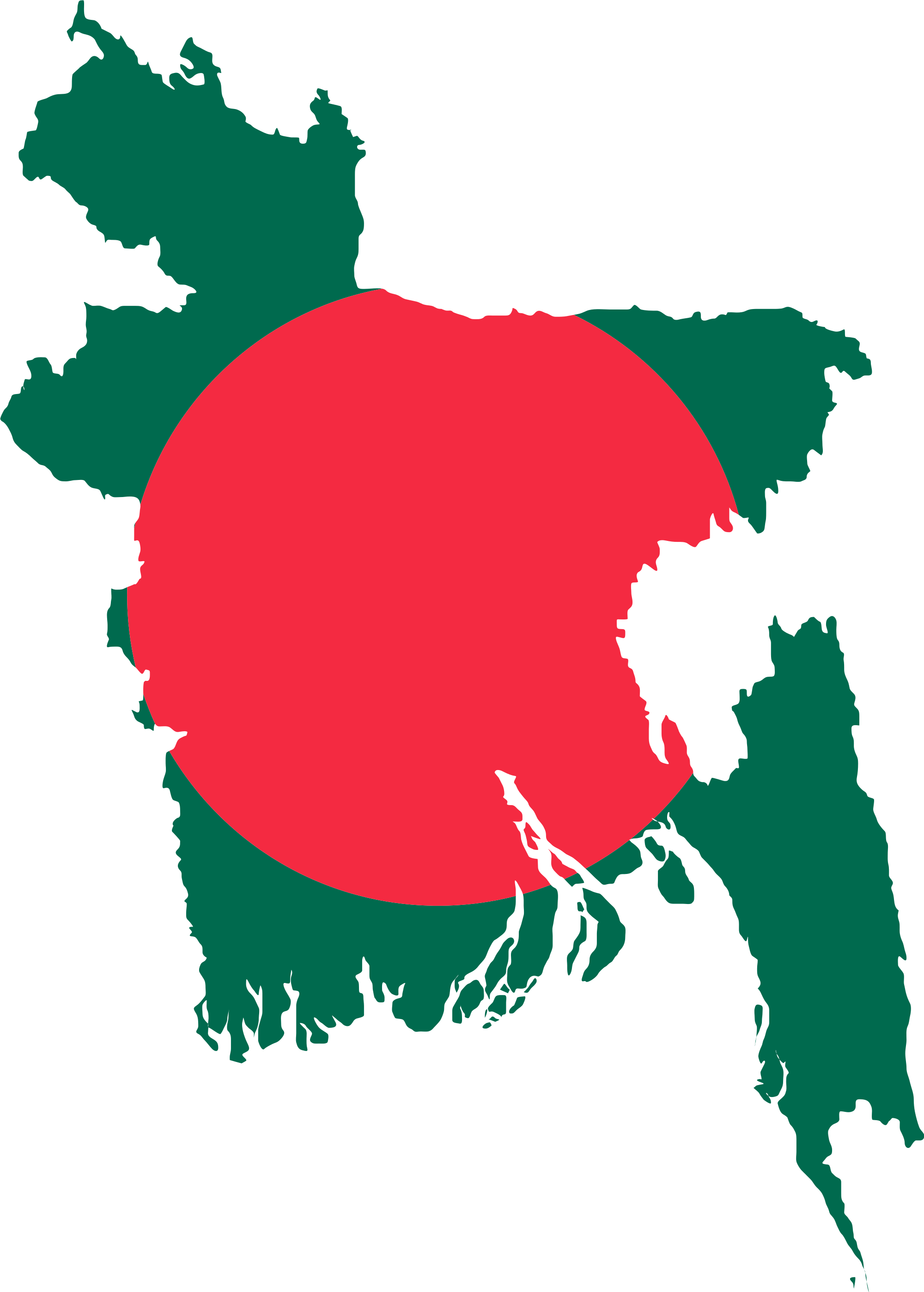
A journey written in blood, a life for language, This independent country was built in the fire of 1971. Every soil of Bengal is filled with the memory of martyrs, History says— This country never gives up, one nation is the "Bengali" nation.
Bangladesh has a history dating back thousands of years. Located in the Ganges-Brahmaputra basin, this region has been a center of rich civilization since ancient times. During the Maurya, Gupta, Pala, and Sena dynasties, this area was a focal point for education, culture, and trade. Bangladesh gained independence on December 16, 1971, after a nine-month liberation war against Pakistan.
The Liberation War of 1971 is the most significant chapter in Bangladesh's history. After nine months of bloody conflict, Bangladesh gained independence from Pakistani rule. This war saw 3 million martyrs and the violation of 200,000 women. The sacrifice of the Bengali people is unparalleled in world history. The Language Movement of 1952 also played a crucial role in shaping national identity.
Bangabandhu Sheikh Mujibur Rahman is the founding father of Bangladesh. His March 7 speech united the Bengali nation for the independence struggle. Other notable figures include National Poet Kazi Nazrul Islam, scientist Sir Jagadish Chandra Bose, and Nobel laureate Rabindranath Tagore, who have made indelible contributions to Bangladesh's history and culture.
Bangladeshi culture features various traditional clothing like sarees, salwar kameez, lungis, and panjabis. The diet mainly consists of rice, fish, lentils, and vegetables. Special occasions feature dishes like polao, biryani, korma, rezala, kebabs, and tandoori bread. Social ceremonies like weddings, birth celebrations, and annaprashan involve numerous customs and rituals.
Bangladesh has a rich tradition of folk music, Rabindra Sangeet, Nazrul Geeti, modern songs, and Baul music. Dance forms include Manipuri, Kathi dance, and folk dances. Bengali literature holds a glorious place in world literature with luminaries like Rabindranath Tagore, Kazi Nazrul Islam, Jasimuddin, and Shamsur Rahman enriching the literary landscape.
Bangladesh celebrates festivals from all religions including Muslim, Hindu, Buddhist, and Christian communities. Religious festivals like Eid, Puja, Christmas, Buddha Purnima are celebrated alongside cultural events like Bengali New Year (Pohela Boishakh), Spring Festival, and Language Martyrs' Day. Bangladeshi people are known for their hospitality and strong social bonds.
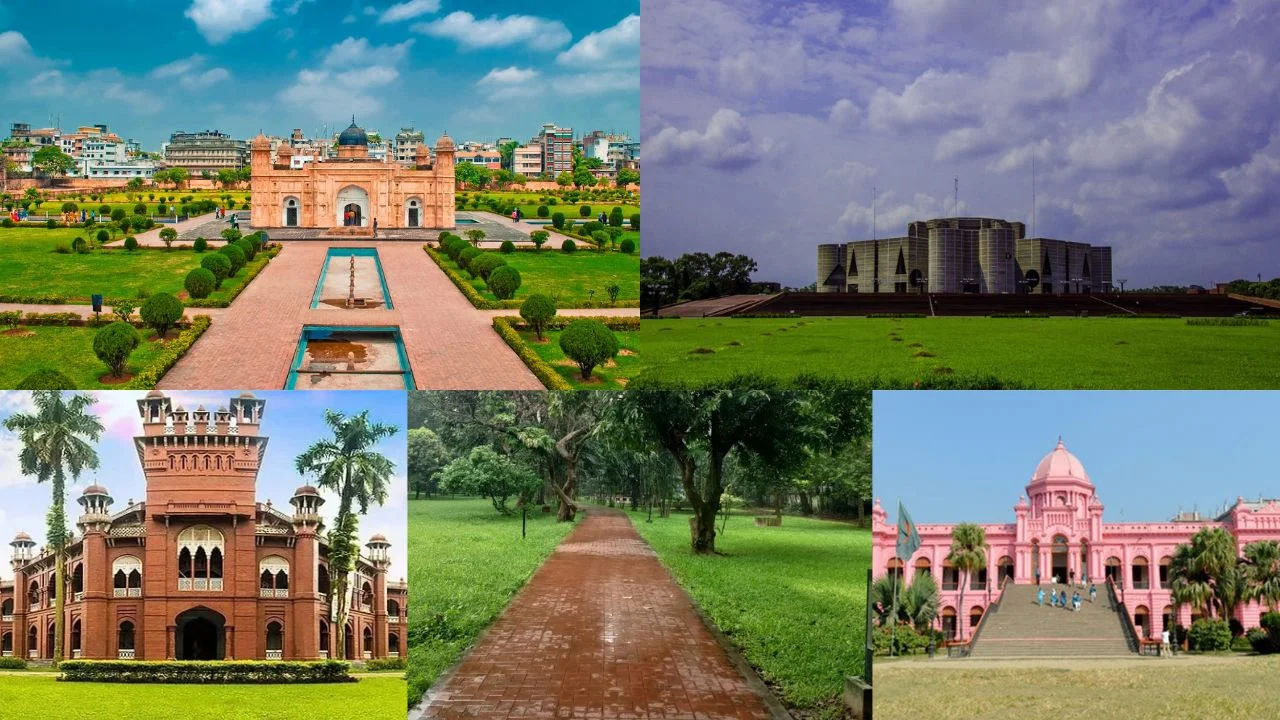
Bangladesh boasts numerous historical architectural sites. Paharpur Buddhist Monastery, Mahasthangarh, Lalbagh Fort, Sixty Dome Mosque, and Kantaji Temple are monuments that testify to Bangladesh's glorious history. Additionally, the National Martyrs' Memorial, Shaheed Minar, and Central Shaheed Minar symbolize the country's historical legacy.
Bangladesh's folk literature is exceptionally rich. Folktales like Thamba Moni, Majnu Sakina, Dewana Madina, and Kajalrekha, along with mythological stories like Malanchamala, Sat Bhai Champa, and Behula-Lakhindar remain popular in rural Bangladesh. Additionally, fairy tales, rhymes, riddles, and proverbs form important parts of folk literature.
The Bengali language is Bangladesh's most important intangible cultural heritage. The Language Movement of 1952 established the dignity of the Bengali language. Additionally, Nakshi Kantha (embroidered quilts), Shital Pati (cool mats), terracotta art, and handicrafts are part of Bangladesh's heritage. Mask dances, Jatra (folk theater), and puppet shows from different regions also represent this heritage.
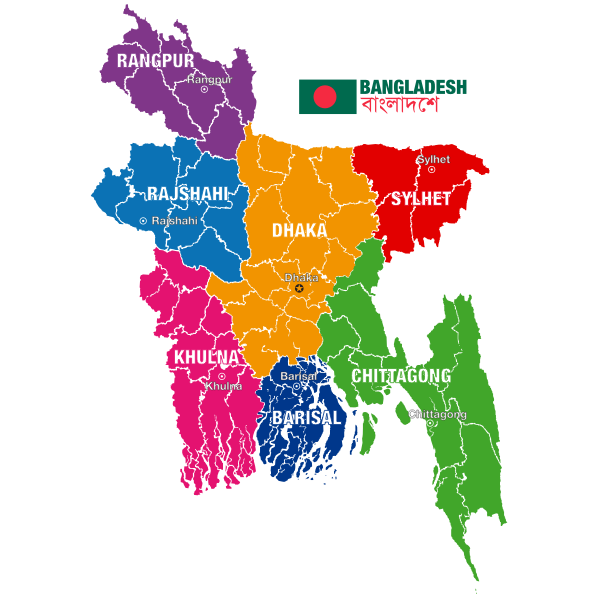
Bangladesh is a South Asian country bordered by India to the north, west, and east, Myanmar to the southeast, and the Bay of Bengal to the south. With a total area of 147,570 square kilometers, most of the country consists of riverine plains. Bangladesh is often called "the land of rivers" due to its extensive network of waterways.
Bangladesh is known as the land of rivers, with the Ganges, Brahmaputra, Meghna, Jamuna, Surma, and Kushiyara rivers integral to life and livelihood. The Chittagong Hill Tracts feature hilly areas, while the Sundarbans contain the world's largest mangrove forest. Bangladesh has a warm, humid monsoon climate with six distinct seasons.
Bangladesh features tea gardens in Sylhet (northeast), hill tracts in Chittagong (southeast), mangrove forests in the Sundarbans (southwest), and riverine plains in the central region. This geographical diversity attracts nature lovers and travelers. The country's natural beauty is truly unparalleled, offering everything from the world's longest sea beach to lush green hills.

Bangladesh's economy is primarily agriculture-based. Major agricultural products include rice, jute, tea, wheat, sugarcane, pulses, and oilseeds. The garment industry is the main driver of Bangladesh's economy. Additionally, leather, pharmaceuticals, shipbuilding, and ceramic industries are significant. Small and medium enterprises play a major role in the local economy.
Ready-made garments top Bangladesh's export list. Frozen fish and shrimp, tea, jute and jute products, leather and leather goods, pharmaceuticals, ceramics, and IT services are notable exports. Bangladesh's garments are exported to almost all countries worldwide and constitute the primary source of foreign exchange earnings.
Bangladesh's IT sector is rapidly developing. Mobile financial services, e-commerce, software development, and digital marketing are areas where Bangladesh has achieved significant success. The country's youth are gaining technological expertise and providing services worldwide. The government's Digital Bangladesh initiative plays a crucial role in technological development.
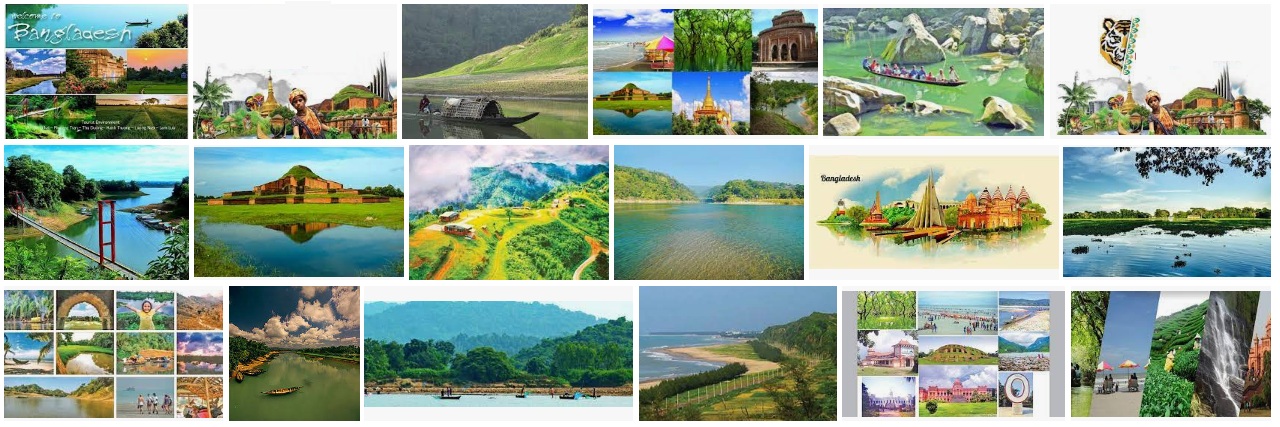
Bangladesh has many natural and historical tourist destinations. Cox's Bazar beach is the world's longest natural sea beach. Saint Martin's Island is known as a coral island. The Sundarbans is a UNESCO World Heritage site. The hill tracts of Rangamati, Bandarban, and Khagrachari captivate travelers with their mountainous beauty.
Bangladesh's cultural heritage attracts tourists. Historical sites like Lalbagh Fort and Ahsan Manzil in Dhaka, Sonargaon, Mahasthangarh in Bogura, and Mainamati in Comilla are notable. The lifestyles, festivals, dances, and music of hill tribes in various regions are key attractions for cultural tourism.
Paharpur Buddhist Monastery was an educational institution built during the ancient Pala dynasty. The Sixty Dome Mosque was built in the 15th century. Kantaji Temple is an excellent example of Navaratna architecture. Ramsagar Dighi is Bangladesh's largest man-made pond. Additionally, the Sal forests of Madhupur and tea gardens of Nilphamari are full of natural beauty.
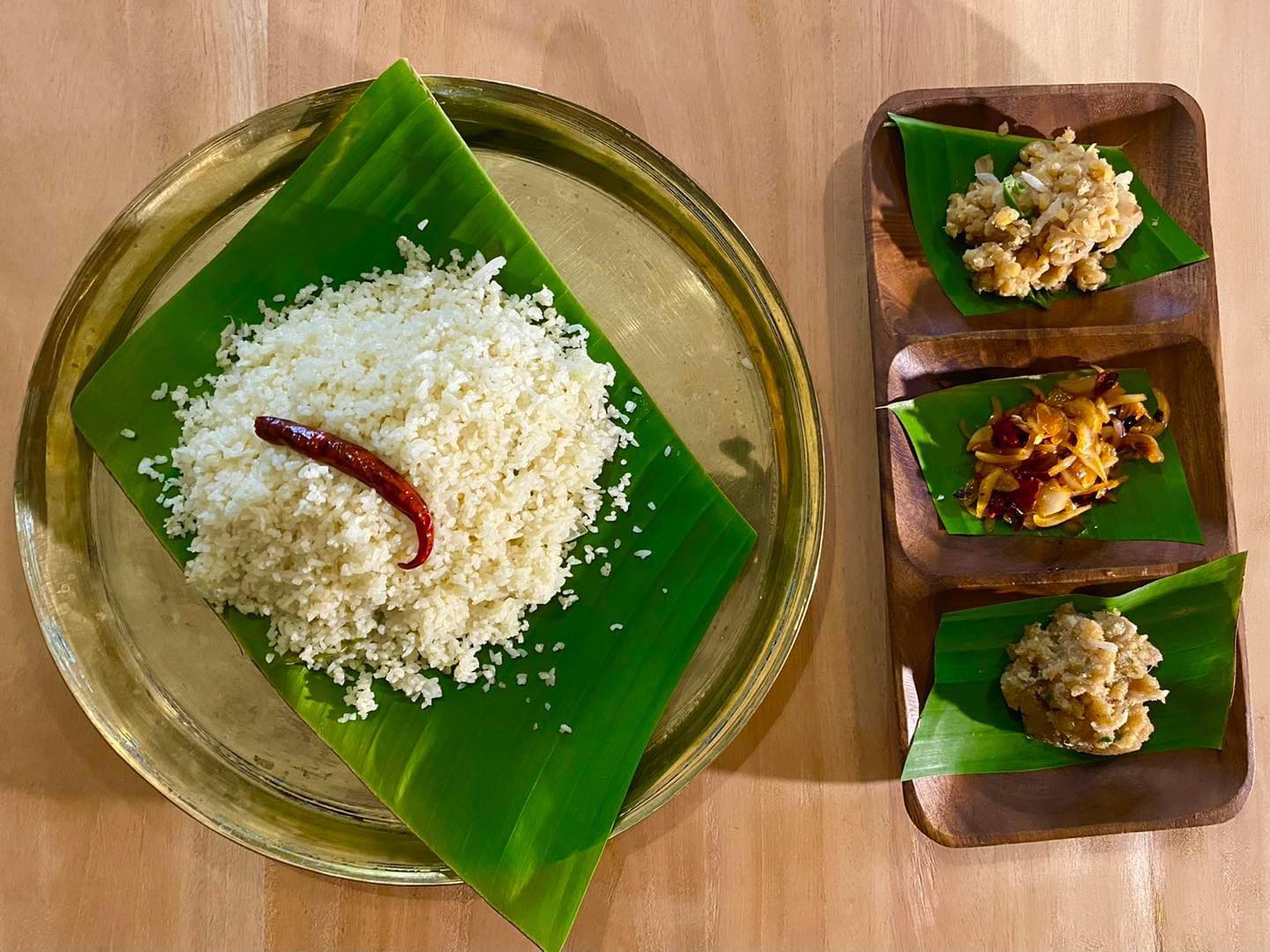
Bangladesh has various traditional foods. Rice, fish, lentils, and vegetables are staple foods. Hilsa fish is the national fish of Bangladesh and is prepared in various ways. Other popular foods include biryani, polao, korma, rezala, kebabs, and tandoori bread. Beverages like lassi, faluda, borhani, sherbet, and tea are popular.
Special foods are prepared during festivals in Bangladesh. During Eid, vermicelli, payesh, firni, zarda, and various pithas (cakes) are made. During Puja, khichuri, luchi, alur dom, and vegetables are served as bhog. Various types of pithas are popular during winter. Special foods are also served at weddings, birthdays, and other social events.
Each region of Bangladesh has its own distinctive foods. Sylhet region's seven-spice sherbet, Chittagong's Mejbani, Rajshahi's mangoes, Khulna's Hilsa, and Barisal's crabs are particularly famous. Mustard oil, onion, garlic, ginger, chili, coriander leaves, and hot spices are characteristic of Bangladeshi cooking. Rice and fish are the main foods of Bengalis.
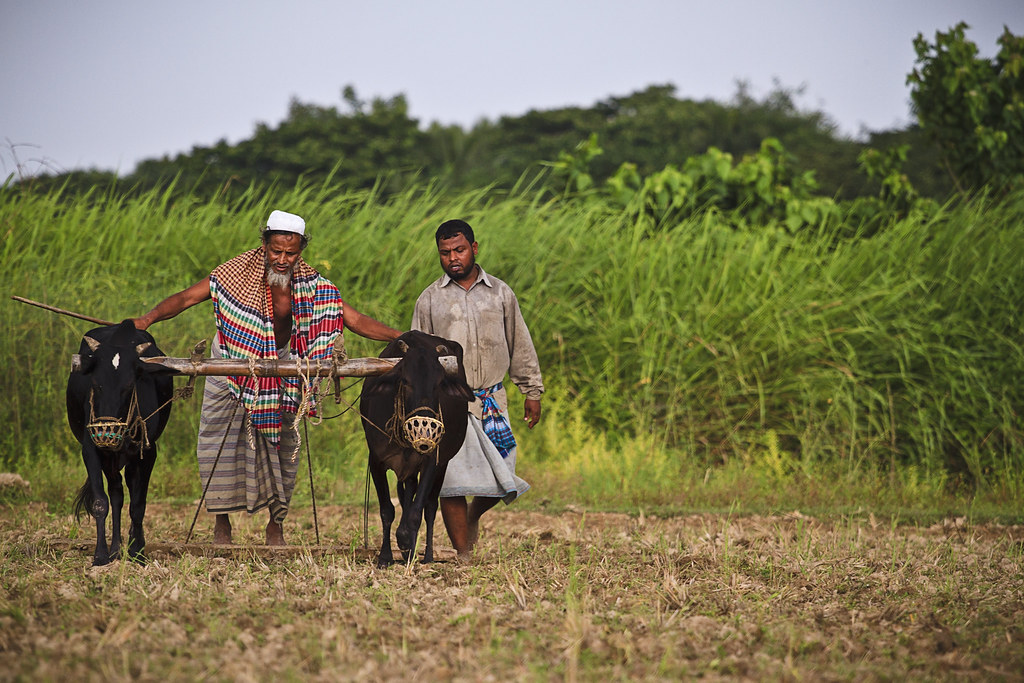
Bangladeshi people are extremely hospitable and friendly. Family bonds here are very strong. Typically, the joint family system is prevalent. Maintaining good relations with neighbors is part of social custom. In Bangladesh, respecting elders and being affectionate to younger ones are important social values.
Agriculture is the main profession in rural Bangladesh. In urban areas, jobs, business, and industry are primary professions. In most families, male members work outside while women handle household chores and child-rearing. However, women are now actively participating in education and the workforce. Family decisions are typically made in consultation with senior family members.
In Bangladesh, guests are received with honor and entertained as a social custom. Typically, tea, biscuits, light snacks, or full meals are served to guests. In daily life, going to work in the morning, sending children to school, socializing in the afternoon, and spending time with family in the evening are common practices.
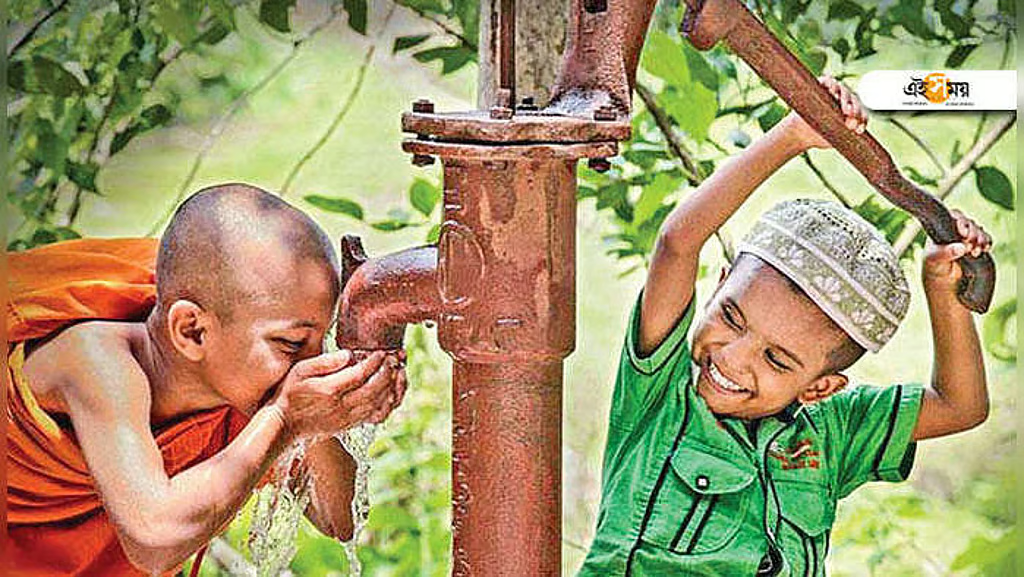
Islam is the main religion in Bangladesh, with approximately 90% of the population being Muslim. Additionally, Hindus, Buddhists, Christians, and people of other religions reside here. Religious activities include prayers, fasting, Hajj, and zakat for Muslims; puja and prayers for Hindus; worship and prayers for Buddhists; and prayers and worship for Christians.
All religious festivals are celebrated in Bangladesh. Muslims' main festivals are Eid-ul-Fitr and Eid-ul-Azha. Hindus celebrate Durga Puja, Kali Puja, and Saraswati Puja. Buddhists observe Buddha Purnima and Prabarana Purnima. Christians celebrate Christmas and Easter. These festivals involve religious rituals along with social gatherings, greetings exchange, and meeting relatives.
Religion has a profound influence on Bangladesh's culture and society. Religious values help maintain peace, harmony, and tolerance in society. The Bangladesh constitution guarantees freedom and equal rights for all religions. People of different religions live together and participate in each other's religious festivals, reflecting Bangladesh's secular spirit.